
Keynote Speakers
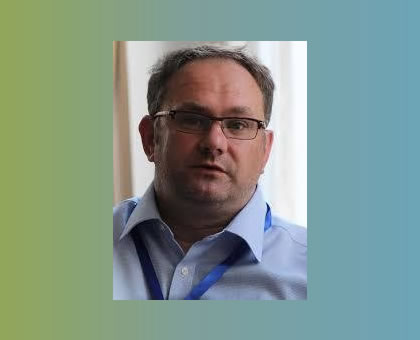
After gaining a BSc.VetMed. (Veterinary University Hannover), my Dr.Med.Vet. thesis at the ETH Zuerich/Faculty of Veterinary Medicine, Universityy of Zuerich, examined the impact of Bovine Leukaemia Virus infection on bovine macrophages.
After stipends by the Swiss National Science Foundation (SNF), the German Research Foundation (DFG) and a Marie Curie Research Fellowship of the EU, I moved back to the ETH Zuerich as a Senior Scientist (Oberassistent).
In 2001, I accepted an Assistant Professorship (Tenure Track) at the Institute of Virology (University of Berne), in the group of Thomas Jungi.
In 2003, I accepted a Senior Lectureship at the Royal Veterinary College, and was promoted to Full Professor in 2007.
The work my group is currently pursuing relates to mucosal immune systems, esp the innate immune side, the impact of microorganism on the development of the immune system, and how this knowledge can be used to enhance veterinary vaccines.
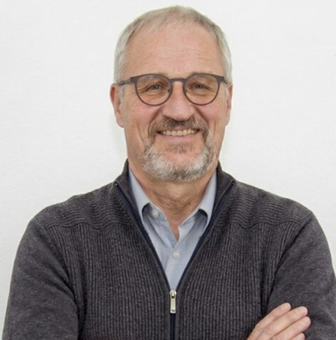
Dr. Kogut spent 33+ years as a Research Microbiologist with the USDA-Agricultural Research Service. Dr. Kogut’s research centered on the development of cost-effective, pre-harvest immunological interventions to improve gut health in poultry.
In January 2026, Dr. Kogut was appointed as the Director of R&D: Host Defenses and Immunity at Vetanco Animal Health (Buenos Aires, Argentina).
Dr. Kogut has published over 240 peer-reviewed scientific papers, 19 book chapters, edited 3 books on the gut health of production animals, and received 5 patents.
Dr. Kogut was named a Poultry Science Association Fellow in 2024 and is currently the Editor-in-Chief of Poultry Science.
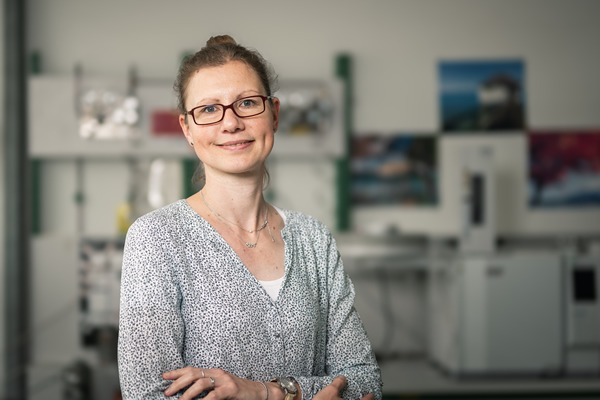
Dr. Metzler-Zebeli is an agricultural biologist specialized in animal nutrition and feed sciences. She obtained her doctorate in pig nutrition at the University of Hohenheim, Germany, and completed a postdoctoral training at the University of Alberta, Canada. Since 2011, she is a senior scientist at the University of Veterinary Medicine Vienna, where she was a guest professor for nutritional physiology from 2019 to 2024.
Currently, she is Assistant Professor for sustainable plant metabolite-animal interactions and the head of the Unit Nutritional Physiology and Functional Plant Compounds at the University of Veterinary Medicine, Vienna.
Her current research focuses on the interface of nutrition and gut-microbial interactions. She investigates underlying mechanisms by which dietary factors and the gut microbiome prime gut health at the molecular, tissue and organ level with a focus on the postnatal phase.
Her research interests also include climate-related changes in plants that affect nutritional value and gut health (i.e. secondary plant compounds, endophytes, and related toxins).
She works with several animal species, focusing on livestock animals, and currently has research collaborations with horses, dogs and elephants as target species.
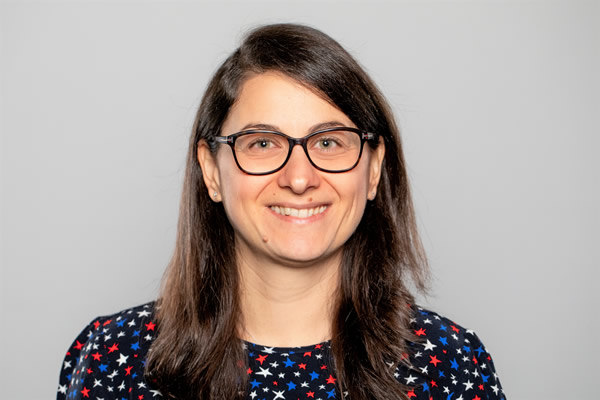
Sabina Leanti La Rosa received her PhD in Molecular Microbiology from the Norwegian University of Life Sciences in 2014.
She then trained as a postdoc at the University of Texas Health Science Center in Houston (USA), investigating the genetic basis of pathogenicity of clinically relevant gram-positive pathogens.
After that, she shifted her focus to microbiome research, focusing on the enzymatic mechanisms through which gut commensals degrade food and feed components.
Currently, she is an Associate Professor at the Norwegian University of Life Sciences. Sabina’s research applies “omics” approaches and enzymology to investigate mechanisms of dietary glycan utilization by gut commensals, including hemicellulosic substrates and food additives, with diverse interests on Carbohydrate Active Enyme discovery, biotechnology applications and prebiotic-based modulation of human and animal gut microbiomes.
She has a particular interest in the salmon microbiome and leads projects exploring its role in salmon nutrition, metabolism, and health, with implications for sustainable aquaculture.
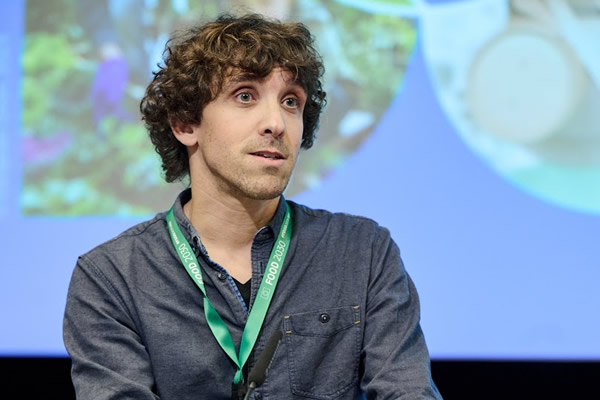
Antton Alberdi is an associate professor at the University of Copenhagen, where he heads an interdisciplinary research team focused on exploring animal-microbiota interactions within ecological, evolutionary, and applied frameworks.
Their investigations employ a diverse set of advanced techniques, such as multi-omics analysis, laser microdissection, and gut-on-a-chip models.
Antton served as the scientific manager for the H2020 IA project HoloFood (2019-2023) and the coordinator for the H2020 RIA project 3D’omics (2021-2025).
He is also the founder of the Earth Hologenome Initiative.